
Are Solar Panels Worth It in the UK?
(UK Homeowners 2026 Guide)
For most UK homeowners with suitable roof space, solar panels are a good long-term financial investment. Typical payback periods range from 5–10 years, depending on system size, electricity usage and whether battery storage is included.


The Short Answer – Are Solar Panels Financially Worth It?
For most homeowners, the answer is Yes. Although with some key clarifications. If you are looking for an investment with a short-term payback, solar panels aren’t for you, as most systems have a payback period of longer than 5 years.
Your roof space is also a big factor in how beneficial solar will be for you. If you have a South, East or West-facing roof with minimal shading, then solar panels are worth considering.
How much a solar PV system will save you will also depend on your electricity usage. Homes with higher usage tend to see shorter payback periods and higher annual savings.
How Much Do Solar Panels Cost in the UK?
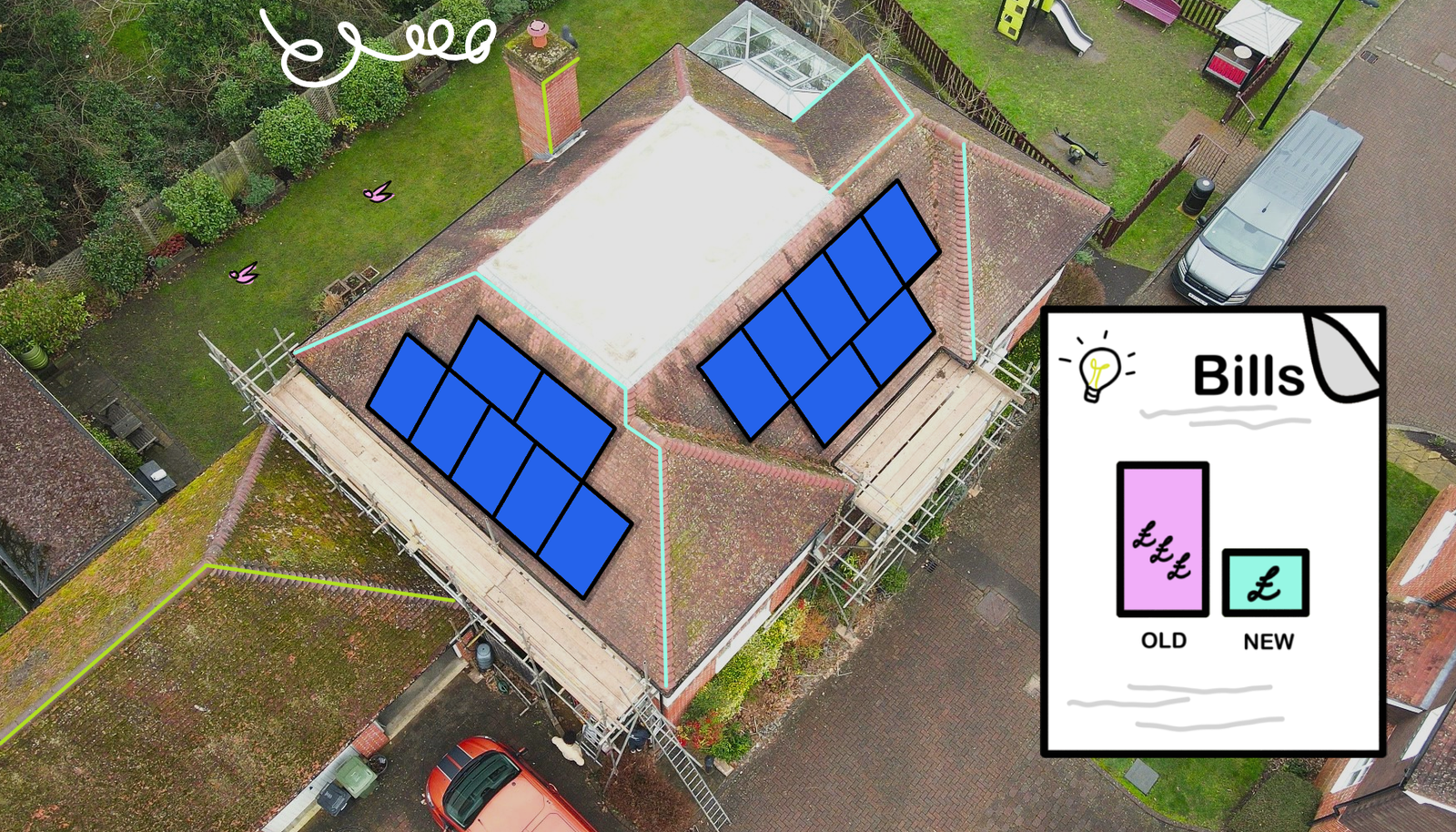
For a typical UK household, solar panels cost around £6000 – £8000. This will get you a 4-6 kW system, fully installed and fit for purpose. If you are looking to add battery storage, you can add £2000 – £6000, depending on the capacity and how your battery is connected to your system. In reality, your solar panel cost will depend on a lot of factors, including your roof size and complexity, your installer’s rate and the quality of the equipment you choose. Therefore, it is worth spending a little time look at these factors.
System Size
If you have a large roof space, you are probably looking for a bigger system. The more panels you install, the higher your savings, but also the higher your costs.
Your roof
Your roof covering and the complexity of your roof will affect the cost of your installation. Roof coverings, like slate, are fragile, so they take longer to install on, while others can require additional mounting equipment.
If you are looking to use multiple roof orientations, you will also face higher scaffolding prices.
System Upgrades
There are several optional extras available to upgrade your system, each of which comes at an additional cost.
Battery storage and bird protection are the most common, but options like home backup or optimisers also increase costs.
Which brand of inverter, battery, and panels will also determine your system cost.
Unexpected costs
With every installation, there are always unexpected costs that you only find out about during a site survey.
The most common are electrical upgrades and roof repairs. Moving roof vents from underneath panels is also fairly common.
What affects the cost of your solar panels
The upfront cost of your solar panel system will determine the payback period of your system. So, when we are looking at whether solar panels are worth it for you, we must look at what affects the cost that you will pay.
Here are a few of the biggest factors that determine the cost of UK solar panel installations. Check here for more information on how much solar panels cost.
How Much Can Solar Panels Save Per Year
Next, let’s look at the potential savings with solar. Whether solar panels are worth it for you will largely be determined by how much they can save you. However, this does not have a straightforward answer. Your savings will be determined by your annual electricity usage, your daily usage pattern, the amount of solar generation, how much of your generation you use, your electricity tariff prices, and whether you have a battery or not.
This is an extensive list, but not exhaustive. Therefore, let’s look at the key factors that determine how much you can save. However, if you want to know specifics for your home, then check out our Solar Quote Calculator.
How self-consumption affects savings
Self-consumption is about how much of the solar power that your system generates is used by your home. It counts as self-consumption whether it is stored in a battery or used directly when it’s generated. A typical UK Home will use 20-30% of the solar power it generates, which rises to 70-80% with battery storage. The higher your self-consumption, the higher your savings will be because import prices (electricity you buy from the grid) are higher than export prices (electricity you sell to the grid). Therefore, you save more by using your own generation than you earn from selling it to the grid.
Factors that affect self-consumption
- Annual household usage – If your home has higher energy demands, you will naturally use more of what your system produces. Therefore, increasing your direct self-consumption.
- Daily Usage Pattern – Homeowners who are out all day will have a lower self-consumption rate as they are out of the house during peak sunlight hours. However, this can be overcome with a well-sized battery.
- Total Solar generation – If you have a large system and generate a lot of solar power, then you will have lower self-consumption figures. This is where self-consumption can be misleading. For instance, 50% self-consumption could mean that 90% of your energy comes from solar.
- Battery storage – A system with a solar battery will have higher self-consumption than the same system without a battery. Find out more about the cost vs savings of battery storage here.
The effect of self-consumption can be hard to picture. Therefore, let’s look at a practical example. Below is a table modelling two houses with the same solar panel system. House 1 has a low self-consumption of 25%; however, House 2 has 75%. We have given both houses the same electricity tariff rate (28p/kWh import & 15p/kWh export), so let’s see how much they save each year.
| House 1 | House 2 | |
|---|---|---|
| Solar Generation | 4000 kWh | 4000 kWh |
| Self-Consumption | 25% | 60% |
| Solar Used By Home | 1000 kWh | 3000 kWh |
| Money Saved On Imports | 1000 x 28p = £280 | 2400 x 28p = £672 |
| Solar Exported | 3000 kWh | 1600 kWh |
| Money Earned From Export | 3000 x 12p = £360 | 1600 x 12p = £192 |
| Total Saving | £640 | £864 |
What this means
First, let’s look at the ‘money saved on imports’. Here we can see that House 2 saves almost £600 more than House 1 simply because they buy much less from the grid. Ultimately, this is why House 2 saves £260 more than House 1 each year. Despite House 1 earning 3x what House 2 makes from exports, they still couldn’t catch up to House 2. Overall, the higher self-consumption of House 2 leads to much higher annual savings. Next let’s look at how we can increase this further.
Maximising Exports and Minimising imports
Ultimately, the financial benefit you see from your solar panels will depend on your electricity tariff rate. Therefore, it’s important we know how to maximise them. Whether solar panels are worth it for you will come down to how well you maximise your export and minimise your import cost.
How to minimise your import price
Firstly, it’s important to remember that we want to increase our self-consumption to minimise the amount of energy we are buying from the grid. However, for most UK homes, it is impossible to go off-grid as solar production is significantly lower during the winter months.
Therefore, if we are going to have to buy from the grid, we want to make sure it’s at the lowest possible rate. We can do this by taking advantage of low off-peak tariff rates like those available with E.on Next Drive. This is commonly called load-shifting because you shift your demand to a more favourable time. For instance, you can charge your solar battery from the grid when electricity is cheaper (typically overnight). If you have a home battery and access to time-of-use tariffs, then loadshifting is a must.
How to maximise your export price
If you have a large home battery and are using a flux tariff for your exports, you could increase the amount you earn from exports. Flux tariffs like Octopus Flux offer higher export rates during peak demand hours. Therefore, you could store excess generation in your battery and then force discharge to the grid when rates are highest. However, this is a less common practice because it can be a little complicated to set up correctly.
How this works in practice
Next, let’s model how these work. We will use house 2 from our previous example, and to keep things simple, we will ignore standing charges on our electricity bill (this adds around £180-220 to your annual electricity bill).
Below, you can see that load-shifting alone reduces this UK homeowner’s bill by an additional £520. In addition, by peak selling, we can increase the savings by a further ~£250. Therefore, for this home, solar would definitely be worth it. To model how much you can save and to find out exactly what size battery you need to maximise your savings, use our Solar Quote Tool.
| House 2 | + Load-shifting | + Load-shifting & Peak Selling | |
|---|---|---|---|
| Annual Usage | 5000 kWh | 5000 kWh | 5000 kWh |
| Self-Consumption | 60% | 60% | 60% |
| Solar Used By Home | 2400 kWh | 2400 kWh | 2400 kWh |
| Annual Imports | 2600 kWh | 2600 kWh | 2600 kWh |
| Annual Exported | 1600 kWh | 1600 kWh | 1600 kWh |
| Annual Import cost | 2600 x 28p = £728 | 2600 x 8p = £208 | 2600 x 8p = £208 |
| Annual Export Earning | 1600 x 12p = £192 | 1600 x 12p = £192 | 1600 x 30p = £480 |
| New Annual Bill (Standing charge not included) | £536 | £16 | -£272 |
The Reality
The truth is that the final example is a little far-fetched. A lot of energy providers prohibit you from having both the off-peak rate for EV and a flux rate for exports. Therefore, you are likely to be paying closer to 15p for your cheap imports on a standard Flux Tariff like Octopus Energy’s. However, the middle example of load-shifting is a realistic situation that many homeowners are already using to significantly reduce their bills.
Solar Panel Payback Period in the UK
Payback periods in the UK can vary drastically from home to home, but most fall in the 5-9 year range. Whether you have a longer or shorter payback period will depend on your total upfront cost and annual savings, but both of these are affected by a lot of variables.
Typically, if you want a shorter payback period, minimising the optional extras of your system and picking “good value” brands will help. Therefore, adding features that don’t increase your savings is a surefire way to lengthen your payback period. Home backup, in-roof systems, and bird mesh might all increase the functionality of your system; however, they won’t improve your payback period.
We do a deep dive on UK Payback Periods if you want to learn more.
When are solar panels worth it & when are they not
Solar panels might not be worth it for you. Next, we will look at the factors that make solar panels worth it for some UK homes and why they aren’t for others.
What Makes Solar Panels Worth It for Some Homes?
You Own Your Home
Being a homeowner is the first and biggest factor. When it’s your home, you will see the full benefits that solar can bring, including increasing the sale value of your home.
You plan to stay long-term
Even with the best payback periods, solar is a long-term investment. Therefore, if you are staying in your home for the next 7-years+ then solar is worth considering.
Moderate to High Usage
If you have high electricity usage, then solar is likely to be a better investment for you. This is because your self-consumption will be higher and save you more, as we discussed earlier.
Roof Orientation
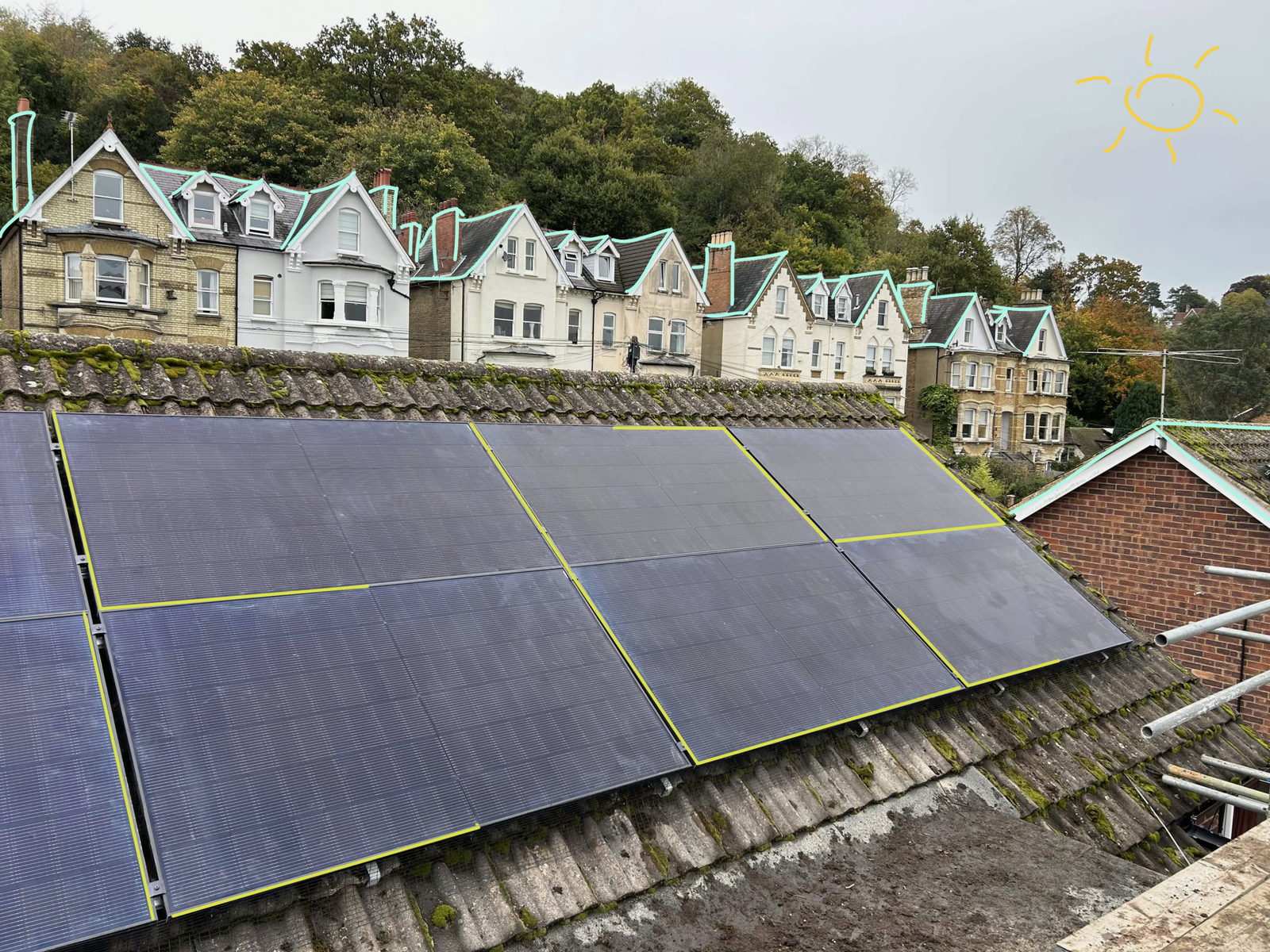
Next is your roof itself. If you have a large south-facing roof, then solar panels will be of more worth to you. However, East or West-facing roofs can also work well and often can give you space for more panels, as you can use two roof spaces.
Rising Energy Prices
As energy prices rise, the savings you make will increase. Avoiding a 28p import rate is better than avoiding a 20p import rate.
When Solar Panels May Not Be Worth It
Low Energy Usage
If you have low energy usage, below 3000 kWh a year, then solar probably won’t be as beneficial for you. Lower energy usage often means lower self-consumption.
Heavy shading
Even if you have a large south-facing roof, if it’s heavily shaded, then you won’t get much benefit from solar.
Short-term ownership
If you are looking to move house in the near future, you are unlikely to see the payback of your solar panel system. Although you can recoup your investment via a higher sale price. (How solar affects home value).
Poor Roof Suitability
If you only have access to a north-facing roof, then solar won’t be of much value for you.
See your personalised estimate
Rather than relying on national averages, you can use our solar panel cost calculator to estimate how much a solar PV system will cost for your specific home.
It takes less than 2 minutes and allows you to model a bespoke system for your home. We use real weather data in your area, MCS-style calculation, and you can even see how different energy tariffs affect your savings.
Solar panels - what else affects if they are worth it?
Whether solar panels are worth it in the UK shouldn’t be determined in isolation. There are a lot of additional factors outside of the solar panels themselves that affect their worth for UK homeowners. For instance, how they affect the value of your home.
Solar Panels With vs Without Battery – Are They Still Worth It?
Due to the higher export rates (15p/kWh) now being available, solar panels alone are often financially viable and a good investment.
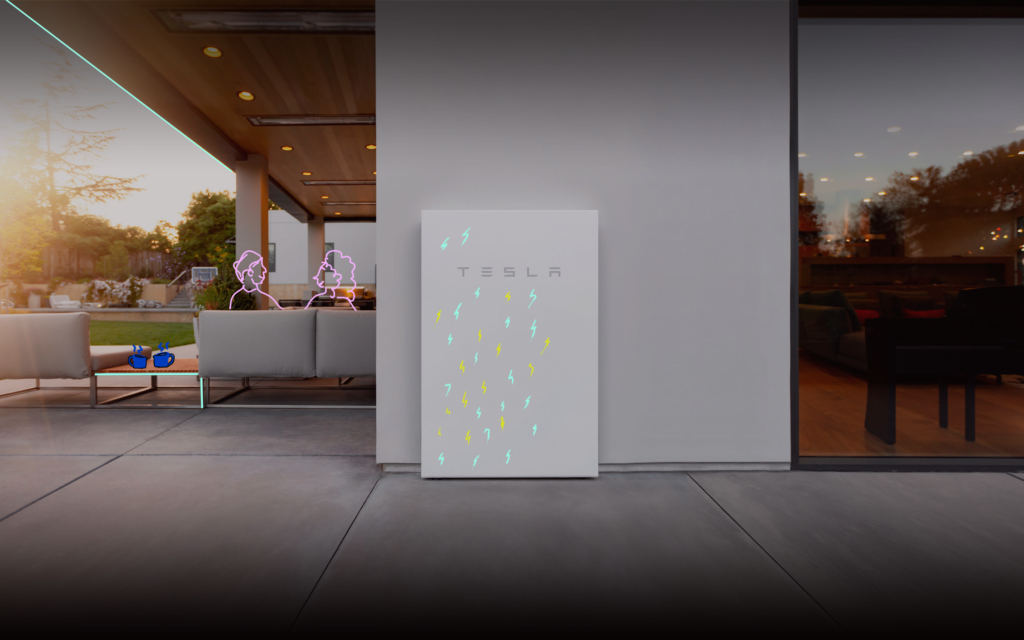
Does this mean that battery storage should be avoided? The simple answer is no. A solar battery will increase your self-consumption, energy independence, and access to time-of-use tariffs gives UK homeowners more ways to decrease their savings. However, the upfront cost of a solar battery often extends your payback period. Check out our page on the cost vs savings of a solar battery for more information.
The Impact of Rising UK Electricity Prices
As UK electricity prices rise, your investment in solar panels gets better and better. Especially if you have high self-consumption.
If your electricity price rises from 28p/kWh to 30p/kWh, you are saving more each time you use your solar generation. However, it’s important to remember that the reverse is also true.
Solar panels have a 25-30 year production warranty, making them a long-term investment. Therefore, we want to look at energy price trends rather than what is happening in the short term.

Do Solar Panels Increase Property Value?
There have been several surveys and studies, all looking at this exact question. However, this has resulted in a wide spectrum of answers! For a more in-depth look into this, you can read our article looking at the different studies.
A 2024 study looking at 5 million listings on Zoopla found that UK properties with solar panels sold for an average 6% premium compared to similar homes without them.
In conclusion, the value of solar panels doesn’t just come from the bill savings, but also from the additional value you will see if you sell your home.